Decoding Verification Timing Patterns That Shape Reward Access Windows Across Blockchain-Enabled Mobile Gaming Platforms
Written by Riley Brooks · Nov 19, 2026
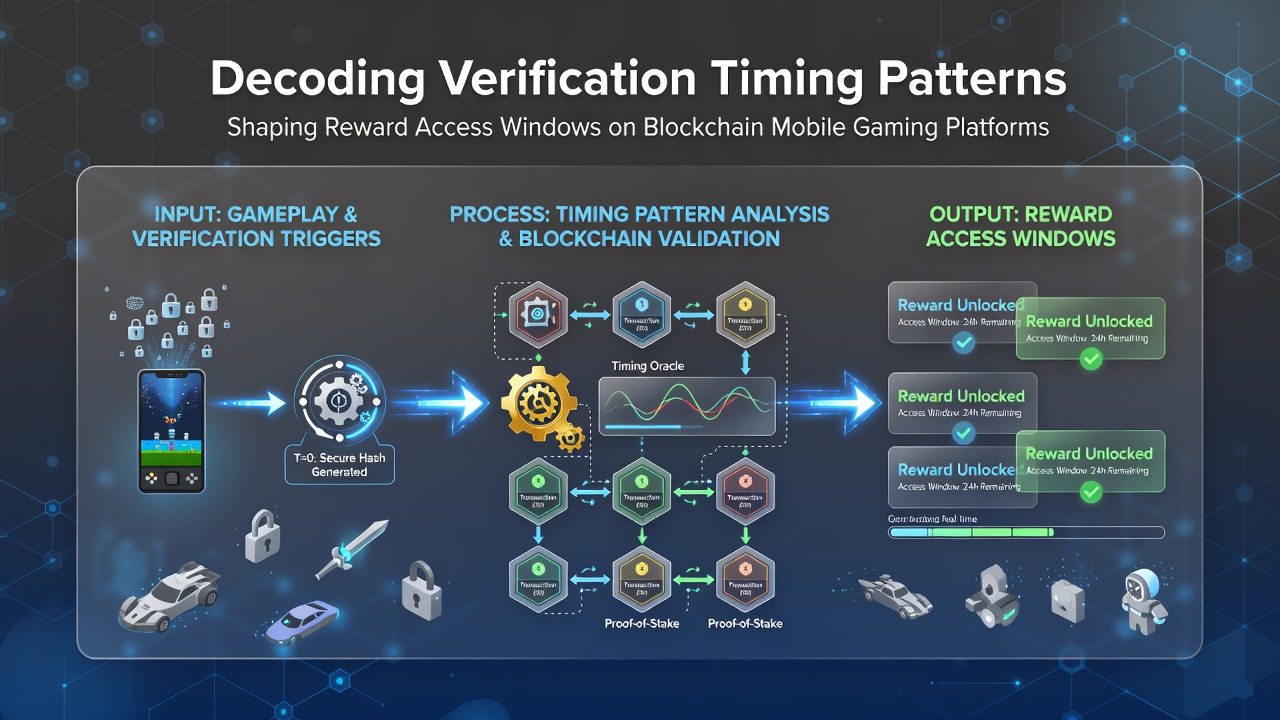
Decoding Verification Timing Patterns That Shape Reward Access Windows Across Blockchain-Enabled Mobile Gaming Platforms
Blockchain-enabled mobile gaming platforms rely on distributed ledger verification to confirm transactions before rewards become accessible, and observers note that these processes create distinct timing patterns influenced by network consensus mechanisms and mobile device connectivity. Research indicates that block confirmation intervals, typically ranging from a few seconds on high-throughput chains to several minutes on others, directly determine when players can claim incentives after initiating a transaction. Data from multiple platform analyses shows that reward access windows often align with the completion of required confirmations, which vary based on transaction volume and validator participation levels during specific periods.
Core Mechanisms Behind Verification Timing
Verification on these platforms begins when a mobile device broadcasts a transaction to the blockchain network, after which nodes validate signatures and include the data in a new block. Experts have observed that mobile environments introduce additional variables such as intermittent signal strength and processing delays on handheld hardware, which extend the time between submission and final confirmation. Studies found that platforms using proof-of-stake protocols tend to exhibit shorter average verification windows compared to proof-of-work systems, though both remain subject to fluctuations during high-traffic intervals. According to figures from industry monitoring services, peak usage hours in November 2026 correlated with verification extensions of up to 40 percent on several major networks.
Patterns Observed Across Different Networks
Analyses of transaction logs reveal recurring patterns where verification times cluster around predictable intervals tied to network difficulty adjustments and validator rotation schedules. Those who've examined ledger data across multiple chains report that diurnal cycles appear in mobile gaming reward claims, with faster access windows occurring during off-peak global activity periods. Evidence suggests that cross-chain bridges add further layers of timing complexity, as assets must clear sequential verifications on originating and destination networks before rewards unlock. Researchers discovered that synchronization between mobile app states and on-chain events often requires additional polling cycles, which can shift eligibility triggers by several blocks.
Impact of Mobile Device Handoffs and Latency
Device handoffs between cellular and Wi-Fi networks create measurable disruptions in verification flows, according to telemetry collected from active gaming sessions. One study revealed that these transitions frequently coincide with temporary pauses in transaction propagation, leading to extended reward access delays until the session re-establishes stable connectivity. Data shows that applications implementing adaptive confirmation thresholds can mitigate some of these effects by monitoring real-time network conditions and adjusting polling frequencies accordingly. Observers note that platforms incorporating layer-2 scaling solutions demonstrate more consistent timing patterns, reducing variability caused by base-layer congestion.
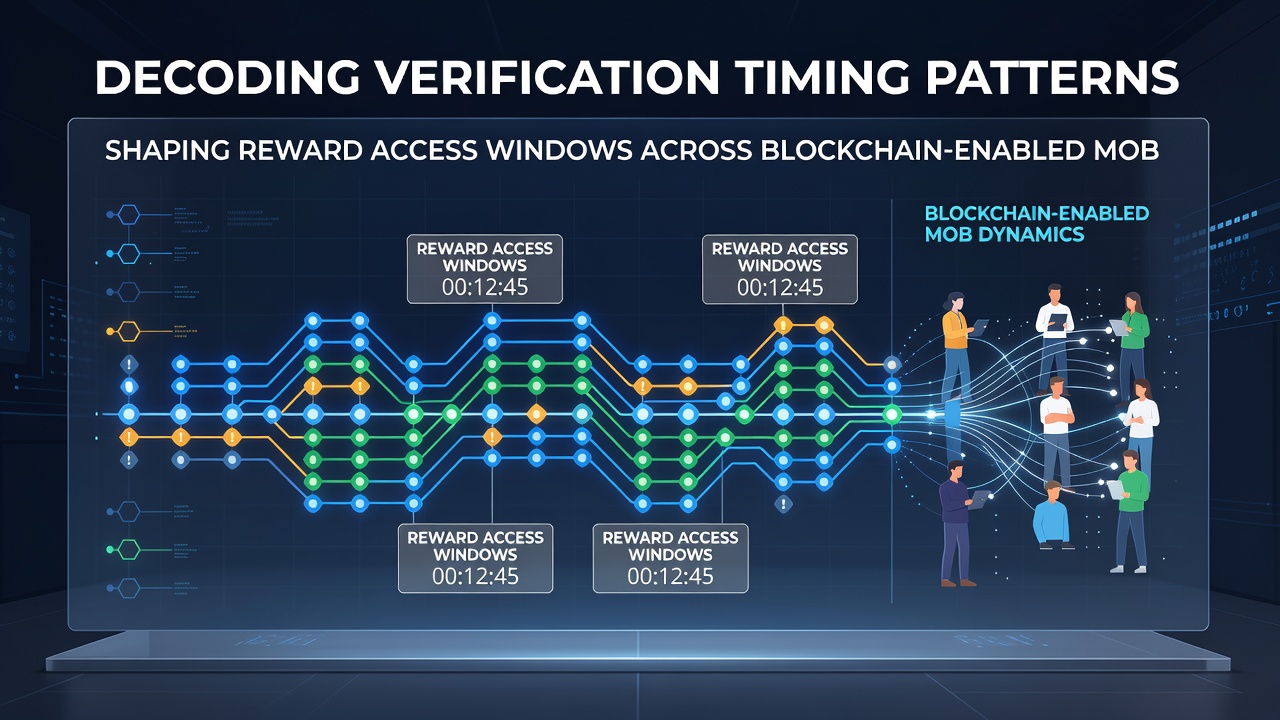
Additional factors such as gas fee fluctuations and mempool backlogs contribute to variable windows, and reports indicate that users in regions with lower node density experience proportionally longer verification sequences. Figures reveal that average reward claim times on certain platforms stabilized around 12 to 18 seconds during stable network conditions in late 2026, while periods of elevated activity pushed those figures beyond two minutes on occasion.
Regulatory and Technical Influences on Timing Standards
Regulatory frameworks in various jurisdictions have begun addressing verification transparency requirements for blockchain gaming operations, with the Malta Gaming Authority publishing guidelines on transaction disclosure practices. These standards encourage platforms to publish expected confirmation ranges so participants understand access window parameters before engaging. Meanwhile, technical developments including faster consensus algorithms continue to compress verification durations across newer networks, though compatibility with existing mobile hardware remains an ongoing consideration. Research from the OECD digital economy papers highlights how interoperability standards between chains affect overall timing consistency in cross-platform reward systems.
Conclusion
Verification timing patterns in blockchain-enabled mobile gaming continue to evolve alongside network upgrades and device capabilities, shaping the precise moments when reward access windows open for participants. Data indicates that understanding these patterns requires attention to consensus mechanics, mobile connectivity variables, and platform-specific confirmation policies. As networks incorporate new scaling approaches, timing predictability may improve while still reflecting underlying ledger dynamics. Continued monitoring of transaction data provides the clearest view of how these elements interact across diverse operating environments.